

Sexual Assault Survivorship Blog
Filter by Category

Finding Calm After Sexual Trauma: Gaming
As victimized persons who choose to live beyond the trauma of sexual assault or sexual abuse, we deserve access to resources that support our individual healing and recovery. Some video games may help us do just that.
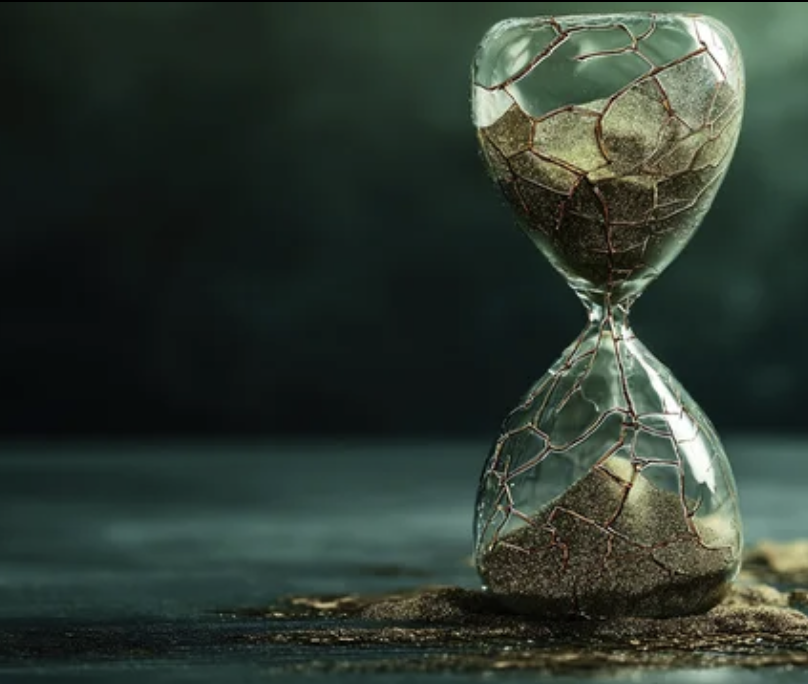
Trauma Steals Our Safety and Youth - But Not Forever
Yes, it’s true! The sexual trauma we’ve endured impacts our bodies in such a way that it causes us to “age faster”. But, there’s something we can do about it.
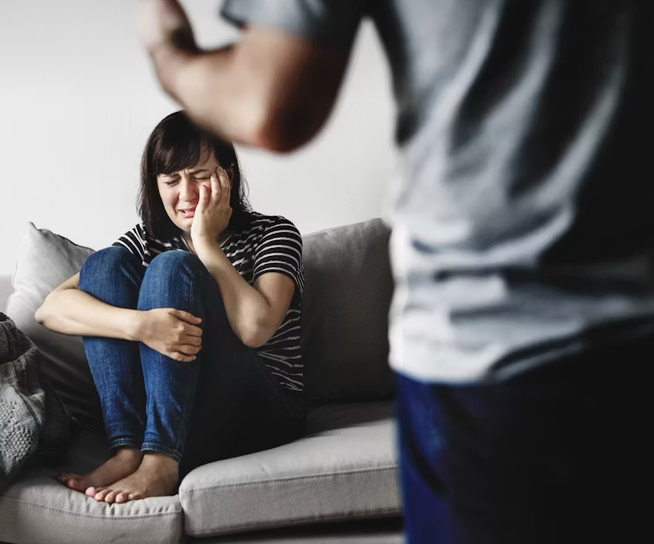
It’s Not Just Fight or Flight
Not one of these trauma responses invalidates allegations of sexual assault or abuse. Each simply reflects how different nervous systems respond to stress, in this case per sexual trauma.
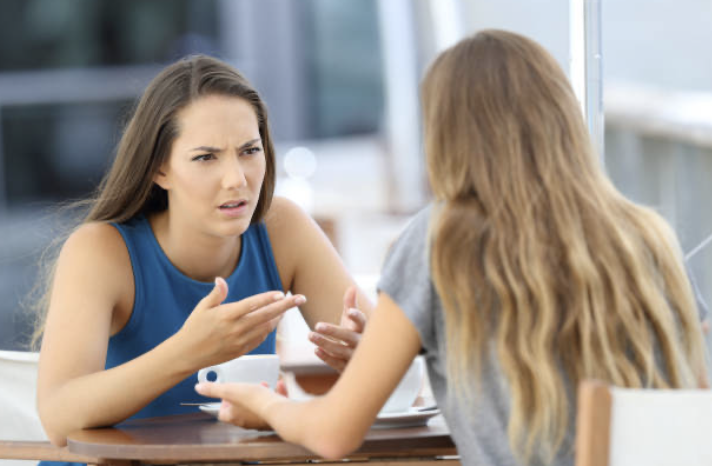
The Wrong Questions Society Keeps Asking
If someone can convince themselves that a victimized person made a mistake, then they can believe they would be protected by making different choices. This is a false belief.
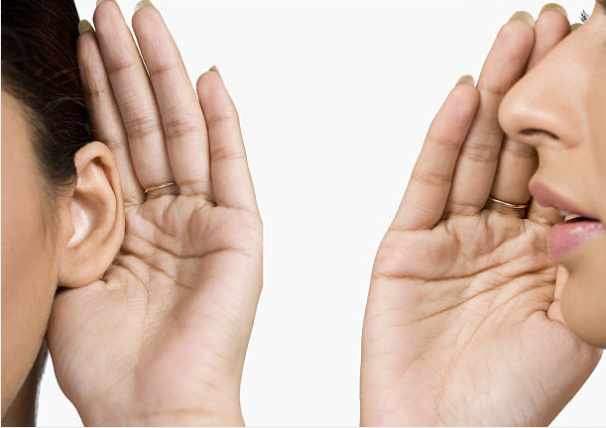
ASMR May Be The Rest Your Brain Needs
ASMR isn’t a treatment for trauma, nor does it replace professional mental services like therapy. However, it can be a valuable tool to help regulate the nervous system.
Why It May Take Years to Reach “Acceptance”
Acceptance doesn’t mean approval. It doesn’t mean forgiveness. It doesn't mean forgetting what may be the worst thing we’ve ever endured. Acceptance simply means acknowledging reality.

The Physical Toll of Sexual Violence - Part 1
While some impacts of sexual violence are widely understood, many are not. And it’s those overlooked effects that can quietly shape a victimized person’s health for years.
Unresolved Trauma: A Death Sentence
Moving away from merely existing and toward truly living means that we start to address the trauma caused by the predator(s) and the sexual violence they committed against us.

The Hidden Injury After Sexual Violence - Pelvic Floor
Unfortunately, we’re not educated on the possible harms done to the pelvic floor and medical professionals only go by what they can see [and prove] - not assessing for possibility of unseen damage.

Why We Can't Get Rid of Predators
Understanding how predators are created does not excuse their actions, but it does provide insight into prevention.

3 Signs A Person is Unsafe
Unsafe people are everywhere, not just lurking in dark corners or fitting some obvious "stranger danger" physical stereotype. In fact, the most dangerous individuals often present themselves as friendly, charming, and deeply empathetic.

No Justice, No Peace
Because the burden of proof rests entirely on the state, “innocent until proven guilty” creates a maze of roadblocks and loopholes that allow predators to reoffend again and again. And, this has to stop.

Complexities of Going No Contact
Whether you are a survivor or an ally, working together to create safe, informed, and compassionate communities can transform survivorship from a fight for survival into a journey of empowerment and hope.


Sexual Assault Survival Supplies - Part 3 Sustaining
Experience trauma can cause issues with our digestive tracks. Digesting foods and beverages can be difficult and the wrong foods can make us sick. In this week’s blog, we’re sharing how to potentially ease this difficulty.

Sexual Assault Survival Supplies - Part 2 Self Care
The brutal truth is that the world doesn’t stop for survivors. We’re expected to continue to be “socially acceptable” while trying to function despite the trauma. In this week’s blog, we’re sharing helpful ways to feel safe engaging with our bodies and maintain good hygiene.

Surviving Suicidal Ideation
Successful care for those of us with suicidal ideation requires the support and help from a licensed, trauma informed mental health professional. In this week’s blog post, we break down what suicidal ideation is and why it’s important to seek help.

Understanding Somatic Flashbacks
Although somatic flashbacks can make us feel hopeless about the present and future, there is a way for us to get control of them. It is possible for us to regain control of our lives and happiness.

The Truth About Sexual Assault
Silence allows for the false beliefs about sexual violence to persist. It also leaves the door open for people to be victimized and not receive the proper care or support. It’s time we move away from silence.