
Prevention Shouldn’t Be a Survivor’s Burden
Current sexual assault prevention methods often focus on predators. Specifically, our attention goes to what they think, how they feel, why they select certain victims, and how they view the world. While well intended, this approach can unintentionally center people who cause harm instead of prioritizing the protection of those who might be harmed. At the same time, many prevention strategies emphasize what we should do differently - be more aware, take precautions, learn self-defense - placing the burden of safety on us rather than addressing the root causes of harmful behavior.
We see this reflected in how prevention is commonly taught. Programs often highlight situational awareness, avoiding risk, or learning how to physically respond in dangerous situations. While these tools can be valuable, they also send a subtle message: that our safety depends on how well we anticipate and avoid harm. When those efforts fail, we’re left carrying not only the impact of the experience, but sometimes an unspoken question of whether we could have done more.
“While prevention is critical, we must also acknowledge a reality many of us live with: survivorship.”
We shouldn’t have to organize our lives around the constant possibility of being violated, whether that’s inviting someone into our homes or simply stepping outside. Instead, we should be building a culture where all people are consistently socialized to not commit harm in the first place.
This shift would be more effective for several reasons because it will:
create clearer, shared understandings of what constitutes sexual violence, reducing ambiguity and “gray areas”
place responsibility where it belongs, on those who choose to cause harm, not on those navigating their daily lives
foster stronger, more open interpersonal connections because we feel safer engaging with one another
In practice, this could look like us starting earlier and going deeper by having ongoing conversations about consent, accountability, and respect in our schools, our communities, and our relationships. It means challenging harmful norms when we see them, not just reacting after harm occurs. It also means building environments where respect and boundaries are the expectation, not the exception.
While prevention is critical, we must also acknowledge a reality many of us live with: survivorship.
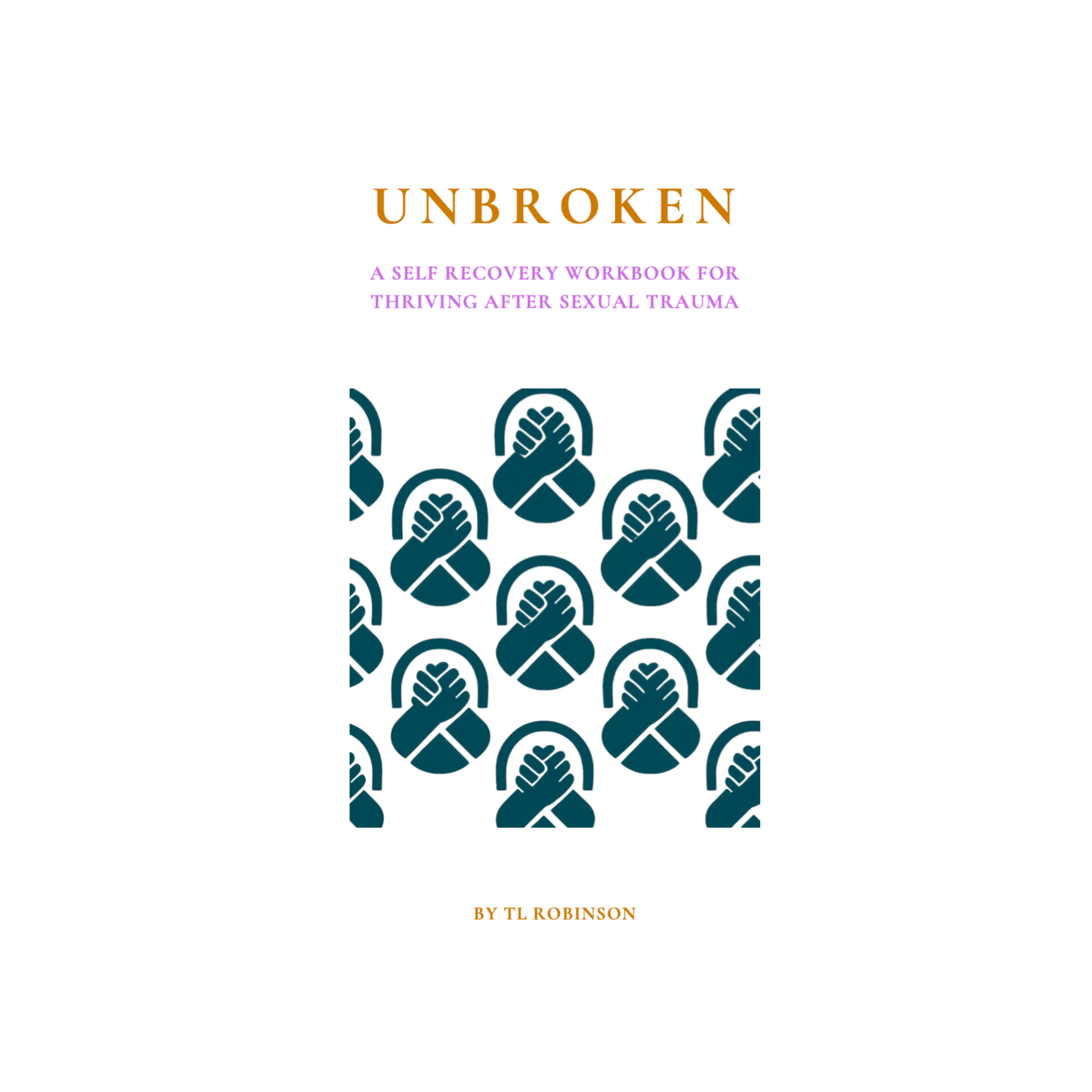
From the resilient voice behind UNBROKEN, a transformative self recovery guide and social impact advocate, comes a powerful, inclusive roadmap to reclaiming your life after sexual violation, and on your terms.
TL Robinson didn’t set out to become a voice for survivors. Like many, her journey began in silence, navigating the invisible weight of sexual trauma, while trying to show up fully in a world that rarely makes space for that kind of pain. But through that journey, she discovered something profound: survival isn’t the end goal - wholeness is.
It was never just about what happened to you. It was about what you were taught to carry because of it.
For too long, survivors have been handed narratives rooted in shame, isolation, and quiet endurance. You’re told to “move on,” to shrink your pain, or to measure healing by how well you can pretend nothing ever happened. Systems meant to support you often fall short, and conversations around trauma remain stigmatized or misunderstood. The result? Too many of you navigating deeply personal healing journeys without language, tools, or community.
But, what if healing wasn’t about returning to who you were before being victimized, or even the end goal? What if the goalie recovery - becoming someone even more whole, more powerful, and more free?
What if being “unbroken” had nothing to do with what you’ve endured and everything to do with how you rise?
Through UNBROKEN, TL Robinson offers a deeply compassionate, empowering framework for people victimized via sexual violence who ready to move beyond survival mode. Blending guided reflection, practical tools, and affirming insight, this workbook creates space for readers to reconnect with themselves, rebuild trust, and redefine what healing looks like, without pressure, timelines, or judgment.
You will learn:
How to gently explore your story and reconnect with your voice through guided exercises and reflection prompts
Tools to rebuild self-trust, boundaries, and emotional safety in your everyday life
Ways to move from coping to thriving and cultivating joy, agency, and personal power after sexual trauma
With thoughtful prompts, grounded practices, and an unwavering belief in your capacity to recover yourself, UNBROKEN is more than a workbook. It’s a companion for anyone ready to reclaim their narrative and step into a future defined not by what was done to them, but by who they choose to become.
The peaks and valleys of survivorship bring intense emotions, especially in the early stages. We move through awareness, acceptance, healing, recovery, and, eventually, some form of closure. Being well doesn’t mean avoiding these phases; it means learning how to move through them without letting them define or control our lives.
If we truly want prevention, we have to shift what we ask of ourselves and each other. Our safety shouldn’t depend on how well we avoid harm. It should depend on how committed we are, collectively, to not causing it.
We’re interested in what you think. Let’s carry the conversation forward. Share your thoughts below.